Articles
Expert articles that turn complex product safety and recall developments into clear, actionable insights — written by regulated-industry professionals in plain language.

Lead in Spices: Practical Safety for Home Kitchens
Ground spices are pantry staples, but they’re also agricultural products that move through long, global supply chains. When quality controls fail, contaminants like lead can enter the picture—especially in finely ground products where adulteration is harder to detect. For families, the takeaway is simple: pair smart shopping with a few verification habits, because preventing exposure […]
Read Article →
Hand Soap Contamination: Practical Safety for Families
Foaming hand soap is a daily essential, but it’s also a water-based (aqueous) product—exactly the kind of environment where unwanted microbes can thrive if manufacturing controls slip. When a product fails microbiological limits, the concern isn’t just reduced shelf life; it’s the possibility that bacteria could reach your skin, a cut, or a vulnerable family […]
Read Article →
Attic Fan Safety: Prevent Shorts, Fires, and Failures
Attic fans work hard in harsh conditions—high heat, dust, and humidity—while tucked out of sight. That combination can stress wiring, bearings, and thermal cutoffs. A small defect (like a loose connection or failed safety cutoff) can escalate into overheated windings, arcing, or a short that ignites nearby dust or roofing materials. Building a simple routine […]
Read Article →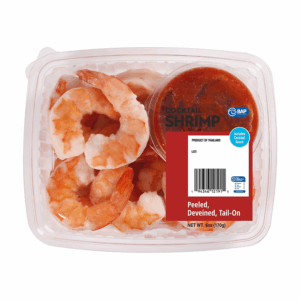
Seafood Safety & “Invisible” Contaminants: What to Know About Ready-to-Eat Shrimp
When you buy ready-to-eat seafood like cocktail shrimp, you expect convenience without compromise. But this category sits at the crossroads of source waters, processing environments, and cold-chain handling—and that makes strong controls essential. Environmental contaminants (including certain radionuclides) are typically present at background levels; the risk emerges when products are prepared, packed, or held under […]
Read Article →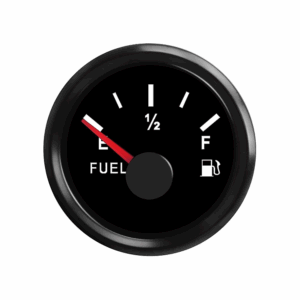
Fuel Gauges, Range Estimates & Real-World Risk
When a vehicle’s fuel gauge or miles-to-empty estimate is off, the result can be more than an inconvenience—it can mean unexpected stalling in traffic or on high-speed roads. Modern fuel readings blend hardware (tank sender, wiring, cluster) with software (the algorithm that forecasts range from recent driving). Moisture intrusion, wiring faults, or calibration issues can […]
Read Article →
Exterior Lights: Small Parts, Big Safety
Exterior lighting is one of the simplest safety systems on your vehicle—and one of the easiest to overlook. When lamps don’t illuminate as intended (think tail lamps, side markers, or license-plate lights), your car becomes harder for others to see, especially in rain or at night. Moisture intrusion, corroded connectors, or a compromised body control […]
Read Article →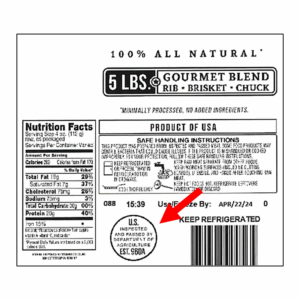
Uninspected Meat: Why “No Stamp” Means Real Risk
Meat products that bypass inspection—or carry fraudulent inspection marks—remove a key safety layer designed to catch hazards before food reaches your kitchen. Without verified oversight, consumers can’t rely on standard controls that help prevent contamination or misbranding. In practical terms, that can mean undeclared ingredients, temperature abuse, or sanitation lapses that aren’t obvious from the […]
Read Article →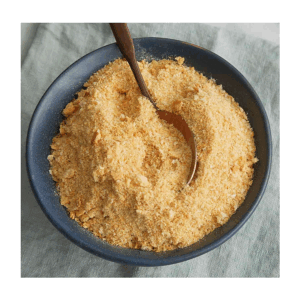
RTE Salads & Listeria: Why “Cold” Doesn’t Always Mean “Safe”
Ready-to-eat (RTE) salads like ham, chicken, or tuna salad are convenient, but they’re also complex foods with many ingredients and handling steps. A single upstream component—think spices, breading, or breadcrumbs—can introduce risk if it was exposed to contamination earlier in the supply chain. Because these products are eaten without reheating, any contamination that slips through […]
Read Article →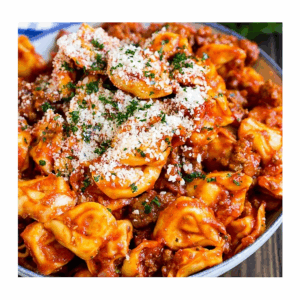
Filled Pasta, Hidden Allergens: What Families Should Know
Frozen filled pastas—tortellini, ravioli, and similar “pillow” pastas—can look nearly identical once they’re in a bag or on a plate. That’s why clear labels and accurate ingredient statements matter so much. In this category, small recipe changes (e.g., swapping a cheese blend or coating) can introduce major allergens like soy or sesame without obvious visual […]
Read Article →
When Packaging Becomes the Safety Line
Many dangerous incidents stem not from what a product contains, but how it’s stored and packaged. Child-resistant packaging is one of the most effective defenses against accidental poisoning—especially when products contain active ingredients like lidocaine or other topical agents. The industry has long leaned on these safety designs to reduce risk, and studies show they […]
Read Article → RecallSentry™ App
Get personalized alerts when recalls affect products in your home — free to start.
Get the App → FDA Recalls
 CPSC Recalls
 USDA Recalls
 NHTSA Recalls
Ready to Track Your Recalls & Refunds?
Start for free, add your items in minutes, and get step-by-step help to resolve recalls fast.