Articles
Expert articles that turn complex product safety and recall developments into clear, actionable insights — written by regulated-industry professionals in plain language.
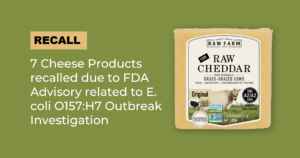
Raw Cheese Safety: Understanding E. Coli Risks
Raw dairy products can harbor E. coli O157:H7 — a strain that causes kidney failure in young children. Learn how to identify contaminated products and protect your family from hidden foodborne risks.
Read Article →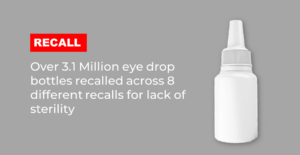
Contaminated Eye Drops Recalls: A Growing Pattern of Risk
Over 3.1 million eye drop bottles across 8 FDA recalls — all from one manufacturer, sold under dozens of store brands at every major US pharmacy. Here's why contaminated eye drops keep making headlines and what you should do now.
Read Article →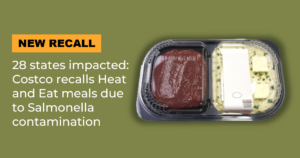
Food Recall Risk: Ingredient Suppliers and Contamination
Learn how ingredient suppliers increase food recall risk and what consumers can do to stay safe from contamination like Salmonella.
Read Article →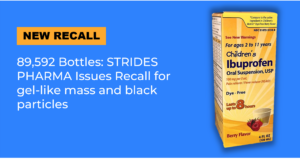
Foreign Substance Risk in Liquid Medications for Children
Learn how foreign substance risk in liquid medications can impact safety and what parents should watch for in children’s medicines.
Read Article →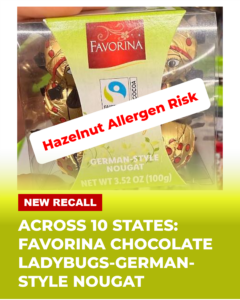
Hazelnut Allergen Risk in Chocolate and Nougat Products
For individuals with nut allergies, even trace amounts can trigger serious or life-threatening reactions. This makes accurate labeling and consumer awareness essential for food safety.
Read Article →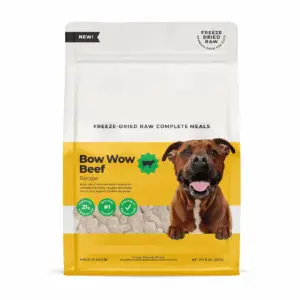
Raw Pet Food: Protecting Pets—and People—from Salmonella
Raw and minimally processed pet foods (including frozen chubs, patties, and bulk blends) can carry germs like Salmonella and Listeria. Those germs don’t just make pets sick; they can spread to people through handling the food, contaminated bowls, scoops, or kitchen surfaces. That’s why public-health guidance stresses careful sourcing, strict hygiene, and safe storage whenever […]
Read Article →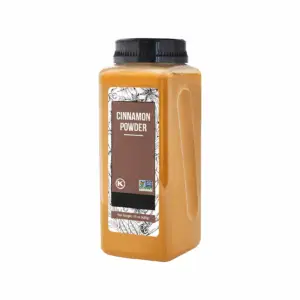
Lead in Spices: Practical Safety for Home Kitchens
Ground spices are pantry staples, but they’re also agricultural products that move through long, global supply chains. When quality controls fail, contaminants like lead can enter the picture—especially in finely ground products where adulteration is harder to detect. For families, the takeaway is simple: pair smart shopping with a few verification habits, because preventing exposure […]
Read Article →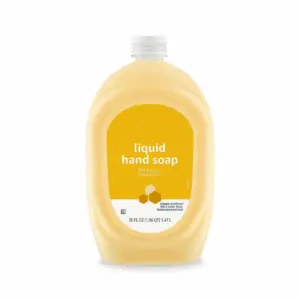
Hand Soap Contamination: Practical Safety for Families
Foaming hand soap is a daily essential, but it’s also a water-based (aqueous) product—exactly the kind of environment where unwanted microbes can thrive if manufacturing controls slip. When a product fails microbiological limits, the concern isn’t just reduced shelf life; it’s the possibility that bacteria could reach your skin, a cut, or a vulnerable family […]
Read Article →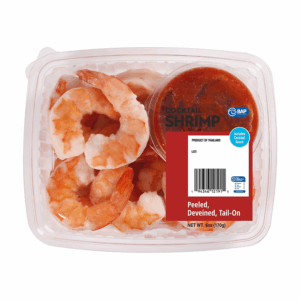
Seafood Safety & “Invisible” Contaminants: What to Know About Ready-to-Eat Shrimp
When you buy ready-to-eat seafood like cocktail shrimp, you expect convenience without compromise. But this category sits at the crossroads of source waters, processing environments, and cold-chain handling—and that makes strong controls essential. Environmental contaminants (including certain radionuclides) are typically present at background levels; the risk emerges when products are prepared, packed, or held under […]
Read Article →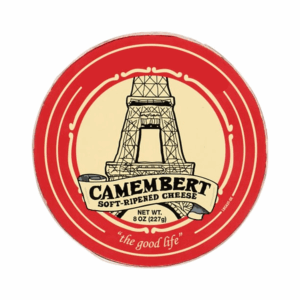
Soft Cheeses & Listeria: What Families Should Know
Soft-ripened cheeses (like brie and camembert) are delicious—but they’re also “wet” foods that are stored cold and eaten without cooking. That combo matters for safety: Listeria monocytogenes tolerates refrigeration and can survive or grow on moist, ready-to-eat products. In this category, small lapses—at the farm, during ripening, at cutting/wrapping stations, or in the store—can undermine […]
Read Article → RecallSentry™ App
Get personalized alerts when recalls affect products in your home — free to start.
Get the App → FDA Recalls
 CPSC Recalls
 USDA Recalls
 NHTSA Recalls
Ready to Track Your Recalls & Refunds?
Start for free, add your items in minutes, and get step-by-step help to resolve recalls fast.