Articles
Expert articles that turn complex product safety and recall developments into clear, actionable insights — written by regulated-industry professionals in plain language.
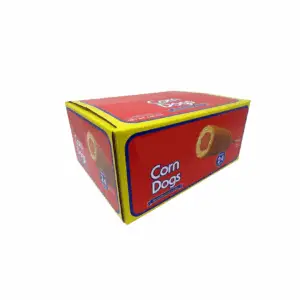
Foreign Objects in Food: Safer Corn Dogs & Snacks
Breaded, battered, or “on-a-stick” foods are kid-friendly and convenient—but they’re also produced at high speed with many moving parts (mixers, conveyors, skewers, breaders). When something goes wrong upstream, foreign objects in food (like wood, plastic, or metal fragments) can end up embedded in the batter where they’re hard to see. That’s why this category benefits […]
Read Article →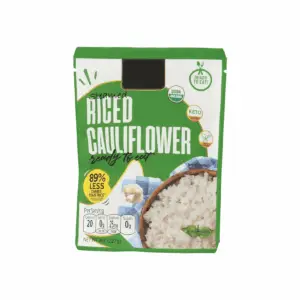
RTE Meal Safety: Preventing Listeria in Ready To Eat Meals
Ready-to-eat entrées make weeknights easier, but they also combine many ingredients from different suppliers—vegetables, sauces, grains, and proteins—assembled in chilled facilities and shipped through long cold chains. That complexity is exactly why RTE meal safety deserves attention at home. If a single input (like a frozen vegetable or sauce component) is contaminated, the finished dish […]
Read Article →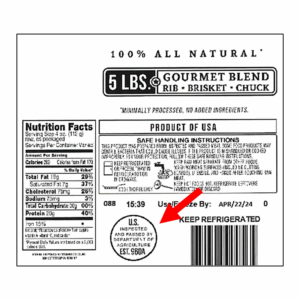
Uninspected Meat: Why “No Stamp” Means Real Risk
Meat products that bypass inspection—or carry fraudulent inspection marks—remove a key safety layer designed to catch hazards before food reaches your kitchen. Without verified oversight, consumers can’t rely on standard controls that help prevent contamination or misbranding. In practical terms, that can mean undeclared ingredients, temperature abuse, or sanitation lapses that aren’t obvious from the […]
Read Article →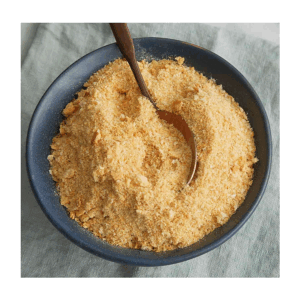
RTE Salads & Listeria: Why “Cold” Doesn’t Always Mean “Safe”
Ready-to-eat (RTE) salads like ham, chicken, or tuna salad are convenient, but they’re also complex foods with many ingredients and handling steps. A single upstream component—think spices, breading, or breadcrumbs—can introduce risk if it was exposed to contamination earlier in the supply chain. Because these products are eaten without reheating, any contamination that slips through […]
Read Article →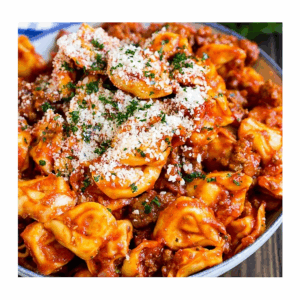
Filled Pasta, Hidden Allergens: What Families Should Know
Frozen filled pastas—tortellini, ravioli, and similar “pillow” pastas—can look nearly identical once they’re in a bag or on a plate. That’s why clear labels and accurate ingredient statements matter so much. In this category, small recipe changes (e.g., swapping a cheese blend or coating) can introduce major allergens like soy or sesame without obvious visual […]
Read Article → RecallSentry™ App
Get personalized alerts when recalls affect products in your home — free to start.
Get the App → FDA Recalls
 CPSC Recalls
 USDA Recalls
 NHTSA Recalls
Ready to Track Your Recalls & Refunds?
Start for free, add your items in minutes, and get step-by-step help to resolve recalls fast.