 CPSC
CPSC 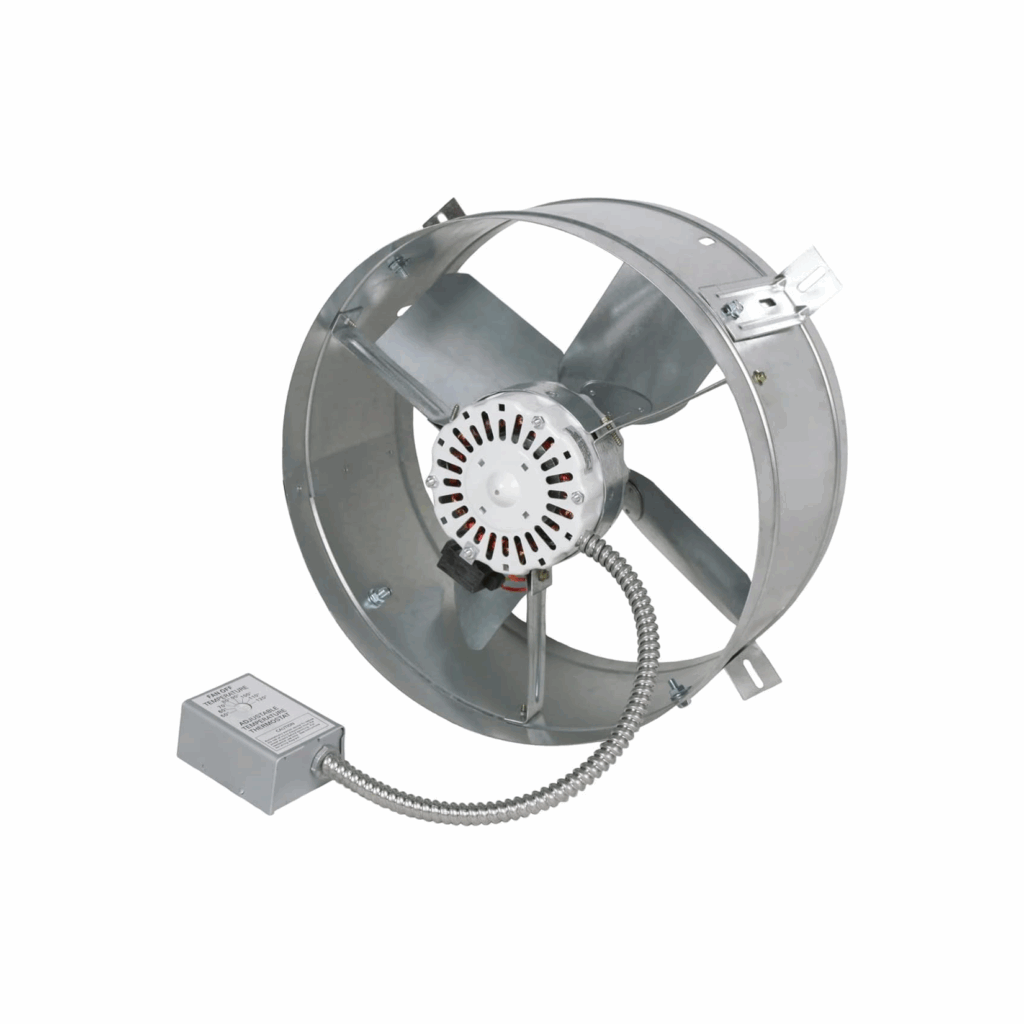
Attic fans work hard in harsh conditions—high heat, dust, and humidity—while tucked out of sight. That combination can stress wiring, bearings, and thermal cutoffs. A small defect (like a loose connection or failed safety cutoff) can escalate into overheated windings, arcing, or a short that ignites nearby dust or roofing materials. Building a simple routine around attic fan safety helps families catch early warning signs before they become costly repairs or fire hazards.
Start with the basics: a seasonal visual check. With power off at the breaker, look for scorched insulation, brittle or spliced cords, missing strain reliefs, and evidence of water intrusion around roof penetrations. Spin the fan by hand—roughness can indicate bearing wear that drives up current draw and heat. Confirm that the thermostat/humidistat and thermal cutoff are intact and that louvers move freely. After restoring power, listen for humming, grinding, or frequent cycling. These quick habits strengthen attic fan safety without special tools.
Starved airflow forces the motor to work harder; leaky ceilings can pull conditioned air—and even combustion byproducts—from living spaces.
Ventilation design matters too. Fans need balanced intake (soffit or gable vents) and sealed ceilings below. Starved airflow forces the motor to work harder; leaky ceilings can pull conditioned air—and even combustion byproducts—from living spaces. If you’re unsure about your setup, ask a qualified electrician or roofer to verify amperage under load, ground continuity, and proper overcurrent protection. When replacing a unit, choose models listed to recognized standards and follow manufacturer clearances; avoid DIY cord-and-plug “fixes” or daisy-chained extensions in the attic.
For broader electrical-fire prevention at home—including overload, wiring, and equipment tips—see the National Fire Protection Association’s Electrical Safety in the Home resource. It reinforces routine inspection, proper overcurrent protection, and safe equipment maintenance. NFPA
Final Thoughts
A quiet attic fan should also be a safe attic fan. A few seasonal checks—and attention to wiring, airflow, and mounting—go a long way. Use CFORRS for practical safety tips and alerts, and see how RecallSentry helps households track issues and act quickly: https://www.centerforrecallsafety.com/recallsentry.
How this Article is Relevant
For more information related to this topic refer to this recent CPSC recall:
Electric Motors for Gable and Roof Mounted Attic Fans Recalled Due to Fire Hazard (Air Vent)
https://www.cpsc.gov/Recalls/2025/Electric-Motors-for-Gable-and-Roof-Mounted-Attic-Fans-Recalled-Due-to-Fire-Hazard-Distributed-by-Air-Vent

 RecallSentry™ App
 FDA Recalls
 USDA Recalls
 NHTSA Recalls