 FDA
FDA 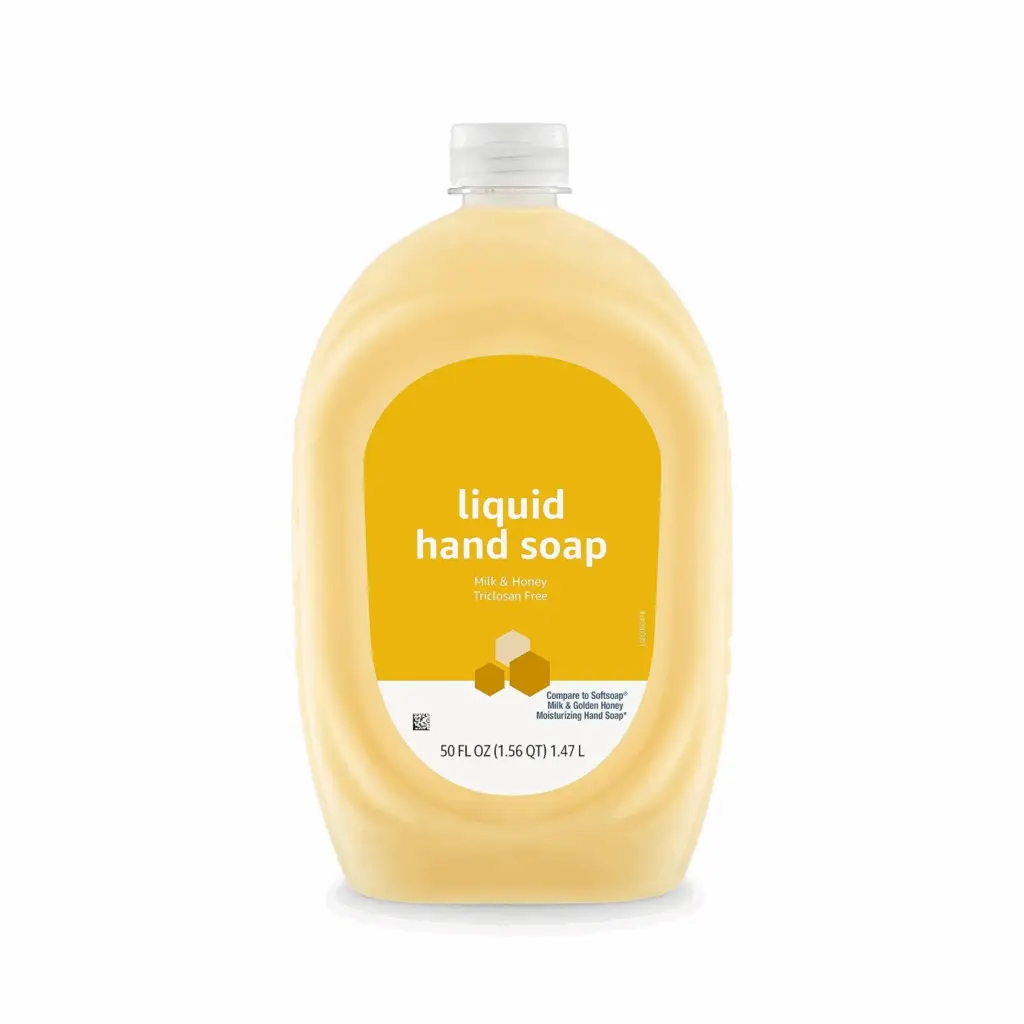
Foaming hand soap is a daily essential, but it’s also a water-based (aqueous) product—exactly the kind of environment where unwanted microbes can thrive if manufacturing controls slip. When a product fails microbiological limits, the concern isn’t just reduced shelf life; it’s the possibility that bacteria could reach your skin, a cut, or a vulnerable family member. That’s why hand soap contamination matters: even non-sterile cosmetics need to stay within strict microbial limits to be safe for everyday use.
For households, prevention starts before the bottle hits your sink. Buy from retailers and brands with clear labels, lot codes, and responsive customer service. Keep the original container (or a photo of its label) until you finish the bottle so you can act quickly if a safety notice appears. Treat dispensers like food-contact tools: periodically wash and dry the pump and nozzle, avoid topping off old soap with new product, and replace bottles that show discoloration, unusual odor, or separation—small habits that reduce hand soap contamination risk at home.
Step up the basics: ensure dispensers are closed and clean, don’t dilute soap with water, and store refills away from splash zones
In shared spaces and higher-risk settings, step up the basics: ensure dispensers are closed and clean, don’t dilute soap with water, and store refills away from splash zones. If anyone develops unusual skin irritation or infection after using a specific product, stop use, save the bottle with its lot code, and contact a clinician. Remember that some opportunistic bacteria linked to water and moist surfaces can spread via contaminated products; keeping dispensers clean and intact is as important as choosing the right brand.
The CDC notes that certain water-associated bacteria can spread through contaminated aqueous products and surfaces, underscoring the importance of hygiene and proper handling in wet environments. See CDC’s overview of Burkholderia cepacia complex for practical risk-reduction tips. CDC
Final Thoughts
Soap should add protection—not risk. Buy thoughtfully, keep labels and lot codes, and keep dispensers clean. Use CFORRS for simple safety tips and alerts, and see how RecallSentry helps households track issues and act quickly: https://www.centerforrecallsafety.com/recallsentry.
How this Article is Relevant
For more information related to this topic refer to this recent FDA recall: Foaming Hand Soap, Fresh Lemon 12.5 oz — Event 96591.
 RecallSentry™ App
 CPSC Recalls
 USDA Recalls
 NHTSA Recalls