 NHTSA
NHTSA 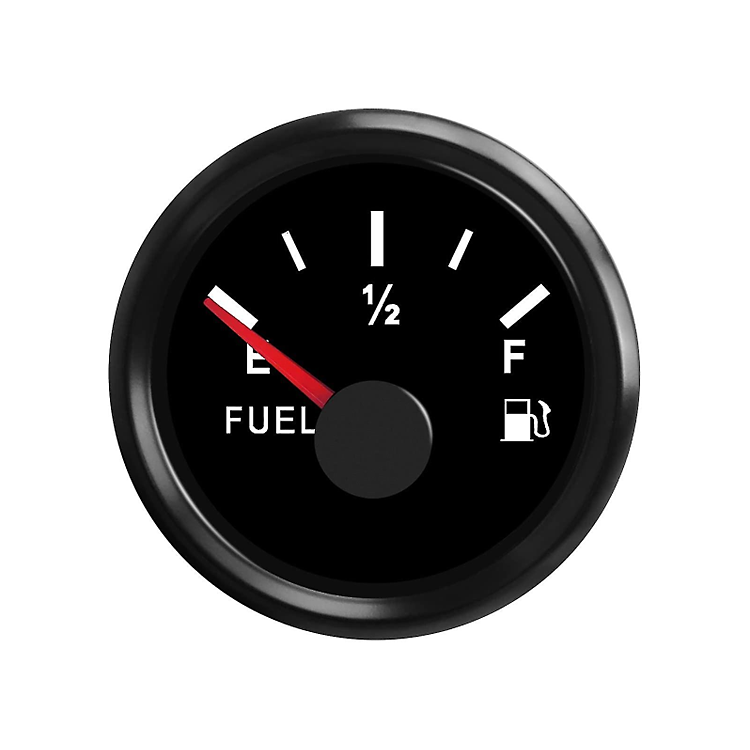
When a vehicle’s fuel gauge or miles-to-empty estimate is off, the result can be more than an inconvenience—it can mean unexpected stalling in traffic or on high-speed roads. Modern fuel readings blend hardware (tank sender, wiring, cluster) with software (the algorithm that forecasts range from recent driving). Moisture intrusion, wiring faults, or calibration issues can nudge readings away from reality, especially after software changes or repairs. For families, the takeaway is simple: if the gauge or range readout behaves inconsistently—e.g., jumps after a restart, drops quickly under load, or disagrees with the odometer since your last fill—treat it as a safety issue, not just a nuisance.
Independent testing shows why caution matters. AAA’s research on in-dash fuel and range displays found accuracy varies with driving conditions and algorithms; notably, AAA assisted in over 488,000 out-of-fuel events in 2019, underscoring how drivers can over-trust these displays. The study also observed that many vehicles keep a small reserve when the display shows “0 miles,” which can mask the true risk of running critically low. In short: the numbers help with planning, but they’re not foolproof. (AAA Research Report – Accuracy of In-Dash Fuel Estimates). AAA Newsroom
Don’t rely solely on miles-to-empty—top off by one-quarter tank in routine driving.
Household checklist: (1) Don’t rely solely on miles-to-empty—top off by one-quarter tank in routine driving. (2) If your gauge seems inconsistent, log fill-ups and miles to validate trends; share that log with your service shop. (3) After any cluster/BCM software update or fuel-system work, recheck behavior over the next few trips. (4) Teach all drivers in the household to recognize early warnings—low-fuel chime, unexpected sputter on turns/accel, or sudden range swings—and to pull off safely rather than trying to “stretch” to the next station.
For fleets, shops, and safety managers, treat fuel-level accuracy as a process control: confirm sender data via scan tool, check grounds/connectors for corrosion or water paths, document software versions, and perform post-repair verification (refuel to a known level and compare indicated vs. calculated consumption over several miles). Pair this with driver education: displays are helpful trends, not guarantees.
Final Thoughts
Running on “E” isn’t a game—fuel readings can drift, and stalling creates real road risk. Use CFORRS for practical safety tips and alerts, and see how RecallSentry helps households identify your vehicle-related recalls: https://www.centerforrecallsafety.com/recallsentry.
How this Article is Relevant
For more information related to this topic refer to this recent NHTSA recall: https://www.nhtsa.gov/recalls?nhtsaId=25V568000.

 RecallSentry™ App
 FDA Recalls
 CPSC Recalls
 USDA Recalls