 FDA
FDA 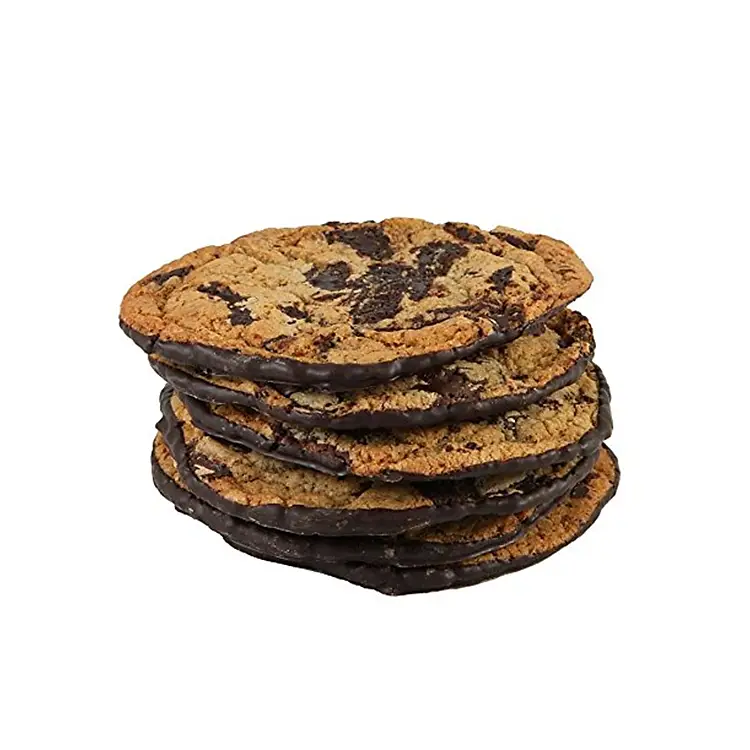
Packaged cookies feel simple, but behind the cellophane is a complex supply chain—shared equipment, seasonal assortments, imported ingredients, and small-batch branding. If labels miss milk or tree nuts, families with allergies lose their first line of defense. Understanding cookie allergen risks helps you turn a sweet impulse into a safe choice: slow down at the shelf, verify ingredients, and keep outer packaging until the last cookie is gone so you retain the UPC and lot code.
Make “label discipline” a habit. Read both the ingredient list and any “Contains” statement every time—even for trusted brands or repeat buys. Scan for terms that can signal hidden allergens (e.g., butter, whey, casein for milk; almond, macadamia, praline, marzipan for tree nuts). When shopping gift packs or imported products, be extra careful: formatting or translation can bury key details. If the package mixes multiple cookie styles, treat each variety as unique and re-check ingredients; this simple step reduces cookie allergen risks in mixed assortments.
At parties and classrooms, minimize cross-contact by favoring sealed, single-serve items with clearly printed labels.
At parties and classrooms, minimize cross-contact by favoring sealed, single-serve items with clearly printed labels. Skip bakery bulk bins if you need strict control—they’re hard to police for shared scoops and crumbs. For severe allergies, treat voluntary phrases like “may contain” or “made on shared equipment” as meaningful signals rather than fine print. If a reaction occurs, save the package, photograph codes, and contact your clinician; those details also help manufacturers investigate.
Food Allergy Research & Education explains how mislabeling happens and notes that undeclared allergens are the number one reason for U.S. food recalls, plus what consumers can do if they spot labeling problems. See FARE’s overview on food labeling for practical guidance. FoodAllergy.org
Final Thoughts
Sweet doesn’t always mean safe—labels are your first safety check. Buy thoughtfully, keep packaging and lot codes, and use CFORRS for practical safety tips and alerts. See how RecallSentry helps households track issues and act quickly: https://www.centerforrecallsafety.com/recallsentry.
How this Article is Relevant
For more information related to this topic refer to this recent FDA recall:
Jalux Americas, Inc. (J.sweets) — Undeclared Tree Nuts and Milk
https://www.fda.gov/safety/recalls-market-withdrawals-safety-alerts/jalux-americas-inc-dba-jsweets-issues-allergy-alert-undeclared-tree-nuts-and-milk-lespoir-brand
 RecallSentry™ App
 CPSC Recalls
 USDA Recalls
 NHTSA Recalls