 USDA
USDA 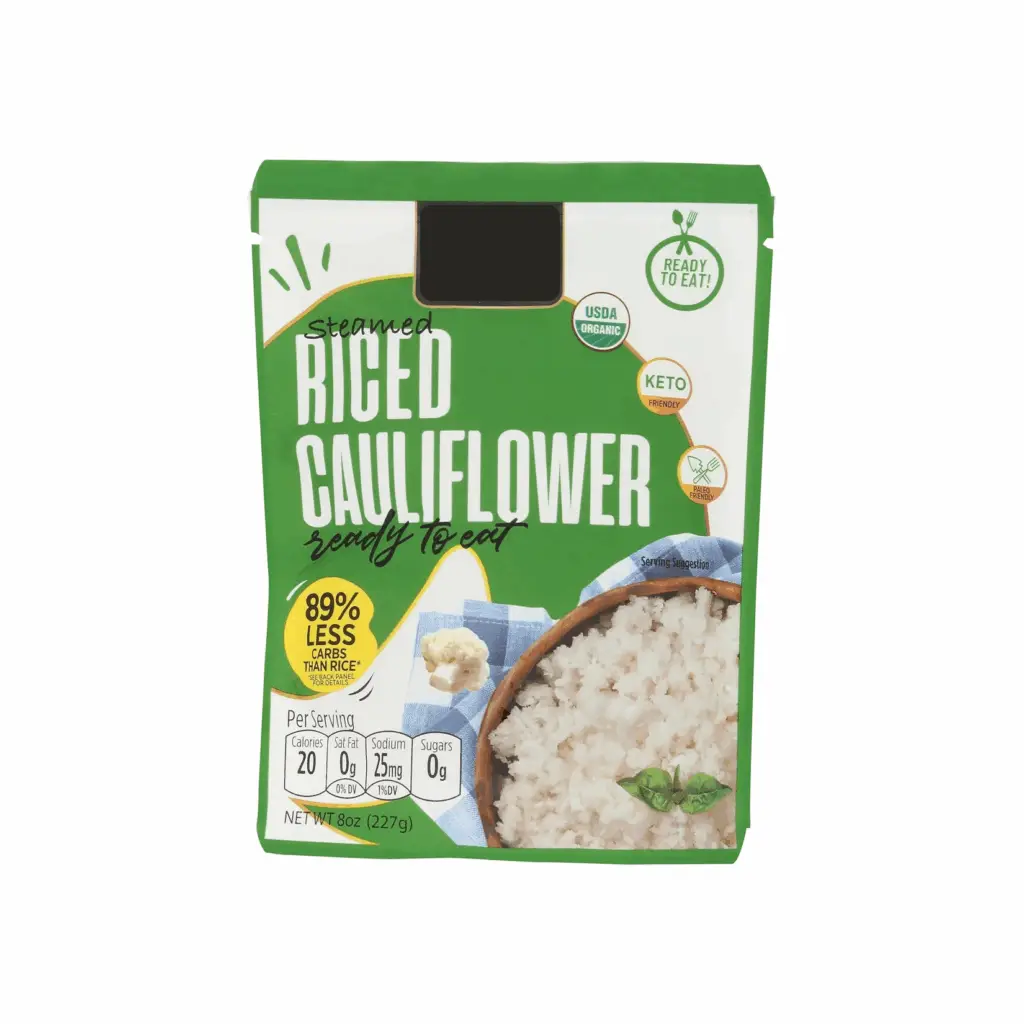
Ready-to-eat entrées make weeknights easier, but they also combine many ingredients from different suppliers—vegetables, sauces, grains, and proteins—assembled in chilled facilities and shipped through long cold chains. That complexity is exactly why RTE meal safety deserves attention at home. If a single input (like a frozen vegetable or sauce component) is contaminated, the finished dish is eaten cold or just reheated briefly, giving germs like Listeria monocytogenes more opportunity to persist compared with foods that are cooked thoroughly.
Households can cut risk with a few practical steps. First, shop smart: buy from retailers that keep RTE meals properly refrigerated and rotate stock. Keep original packaging and lot codes until the meal is eaten so you can act quickly if safety news emerges. At home, stay strict on temperatures—refrigerate at ≤40°F (4°C), avoid leaving meals in a warm car, and follow storage/use-by instructions. If directions allow reheating, bring the entire portion to a safe temperature instead of “warming” just the top—heat is one of your best defenses for RTE meal safety. And after serving, clean any trays, cutting boards, or drawers that touched the unopened package—Listeria can survive in the refrigerator and spread to other foods and surfaces.
Pay special attention if you have a higher-risk family member (pregnant people, adults 65+, or anyone with a weakened immune system)
Pay special attention if you have a higher-risk family member (pregnant people, adults 65+, or anyone with a weakened immune system). In those households, consider choosing simpler RTE items with fewer high-risk ingredients (e.g., avoid unheated deli meats, soft cheeses, or raw-eaten chilled vegetables unless the product is designed to be fully cooked). Build a quick check routine on delivery day or after grocery runs: confirm the food arrived cold, scan the ingredient list for high-risk items, and move meals to the coldest shelf in your refrigerator rather than the door.
The CDC’s consumer guidance on preventing Listeria explains which foods are more likely to carry risk and how to handle them safely at home. It reinforces core practices—cold holding, careful cleaning, and special precautions for high-risk groups. Read more here: CDC — Preventing Listeria Infection. CDC
Final Thoughts (Consumer)
Convenience should still be safe. With smart shopping, cold-chain discipline, and quick label/lot checks, families can enjoy ready meals with confidence. Use CFORRS for practical food-safety tips and alerts, and see how RecallSentry helps households track issues and act quickly: https://www.centerforrecallsafety.com/recallsentry.
How this Article is Relevant
For more information related to this topic refer to this recent USDA recall:
FSIS Issues Public Health Alert for Ready-To-Eat Meals Containing Riced Cauliflower — https://www.fsis.usda.gov/recalls-alerts/fsis-issues-public-health-alert-ready-eat-meals-containing-riced-cauliflower-may-be

 RecallSentry™ App
 FDA Recalls
 CPSC Recalls
 NHTSA Recalls