 FDA
FDA 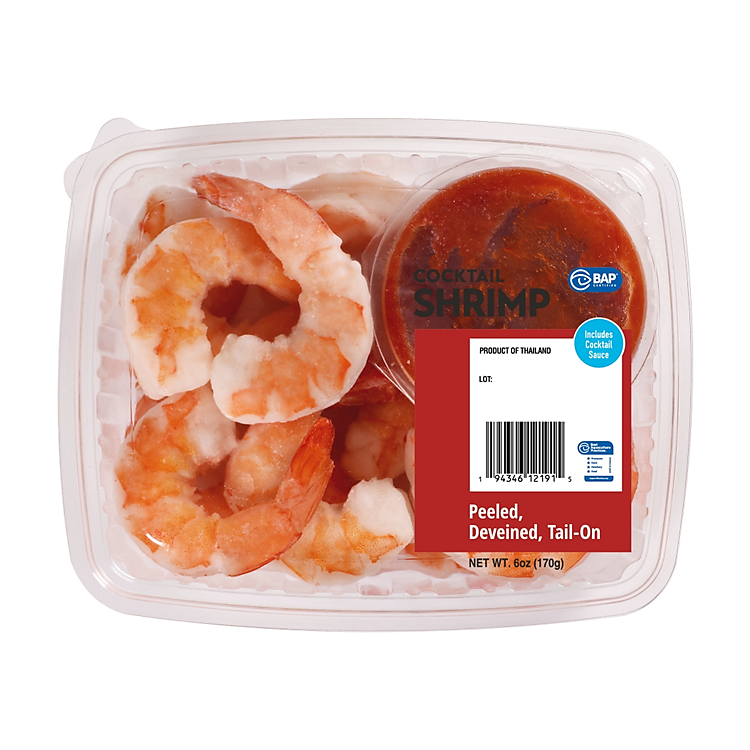
When you buy ready-to-eat seafood like cocktail shrimp, you expect convenience without compromise. But this category sits at the crossroads of source waters, processing environments, and cold-chain handling—and that makes strong controls essential. Environmental contaminants (including certain radionuclides) are typically present at background levels; the risk emerges when products are prepared, packed, or held under insanitary conditions or when sourcing/processing lapses allow contaminants to enter the food stream.
A useful way to frame the risk is dose and exposure over time. For example, NOAA’s overview of cesium isotopes in migratory fish explains that radiocesium (including Cs-137) can be detected in some species, yet measured levels found in U.S. West Coast tuna have been very low and far below health-concern thresholds—a reminder that detection ≠ danger, and that context (species, geography, half-life, and concentration) matters. In other words, seafood safety is a combination of where the product came from, how it was handled, and what levels were found—if any. NOAA Fisheries
If a product is the subject of a safety alert, do not taste-test
For households, the best defenses are practical: buy from reputable retailers, keep packaging/lot codes until the product is served, and follow cold-chain basics (≤40°F/4°C, no refreezing thawed RTE items). If a product is the subject of a safety alert, do not taste-test; document the UPC, lot, and dates, and follow the disposal/return instructions. For families with higher-risk members (pregnant people, older adults, or those with weakened immune systems), consider choosing seafood items with simpler ingredient lines and clear origin information to make risk assessment easier.
For brands and retailers, this category benefits from tight supplier verification, environmental monitoring, and hold-and-release decisions when upstream concerns arise. Transparent traceability—from fishing/aquaculture source to finished pack—plus swift, plain-language customer communications help prevent confusion and restore confidence when issues surface.
Final Thoughts
Seafood can be both safe and convenient when you pair smart shopping with simple handling habits. Use CFORRS for practical safety tips and alerts, and see how RecallSentry helps households track issues and act quickly: https://www.centerforrecallsafety.com/recallsentry.
How this Article is Relevant
For more information related to this topic refer to this recent FDA recall: https://www.fda.gov/safety/recalls-market-withdrawals-safety-alerts/aquastar-usa-corp-recalls-cocktail-shrimp-6oz-because-possible-health-risk
 RecallSentry™ App
 CPSC Recalls
 USDA Recalls
 NHTSA Recalls