 NHTSA
NHTSA 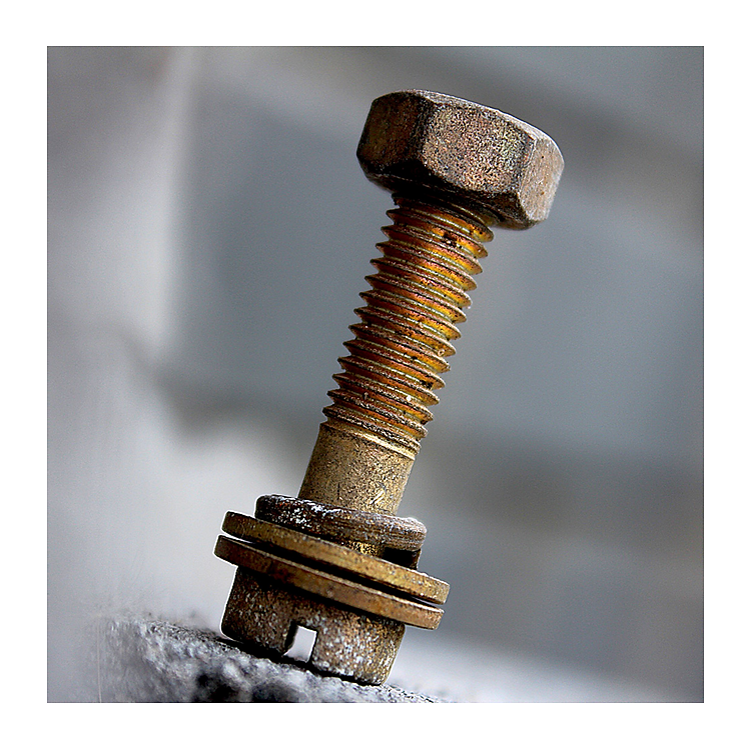
Modern engines are tightly engineered systems where small hardware can have big safety consequences. If critical fasteners inside the engine aren’t tightened to spec, they can loosen under vibration and heat, leading to internal damage, sudden loss of drive power, and oil leaks that may contact hot components. Even when a vehicle still runs, a slow leak can escalate—from a burning-oil odor to smoke, and in worst cases, an engine-compartment fire.
This isn’t theoretical. Fire investigators consistently find that mechanical and electrical problems are leading factors in highway vehicle fires. In its national overview, NFPA reports that mechanical/electrical issues account for the majority of such fires, underscoring how faults like leaks or component failures can become ignition sources in everyday driving (see NFPA Vehicle Fires Research: nfpa.org). NFPA
What drivers can do: act early on warning signs.
What drivers can do: act early on warning signs. If you notice low-oil alerts, a metallic knock/tap, flickering check-engine lights, new vibrations, the smell of burning fluid, visible drips under the car, or smoke from the hood, pull over safely and arrange service—don’t try to limp the vehicle home. After any engine work, keep an eye out for fresh spots on the driveway and recheck oil level over the next few trips. For household safety, store the service invoice and take a quick photo of the under-hood area after repairs; documentation helps if a problem resurfaces.
What shops and fleets can do: treat fastener integrity as a process control, not a single step. Use torque-angle or stretch specs where required, calibrate tools, record torque audits for critical joints, and add a brief post-repair leak check (idle, road test, re-inspect). Pair that with traceable parts lots and clear customer callbacks if a pattern emerges. A little rigor up front prevents repeat failures and protects drivers.
Final Thoughts
Engine safety starts small—listen for new noises, follow warning lights, and never ignore fresh oil smells or drips. Use CFORRS to stay alert to safety guidance, and see how RecallSentry helps households alert for specific recalls for your vehicle: https://www.centerforrecallsafety.com/recallsentry.
How this Article is Relevant
For more information related to this topic refer to this recent NHTSA recall: https://www.nhtsa.gov/recalls?nhtsaId=25V549000 .
 RecallSentry™ App
 FDA Recalls
 CPSC Recalls
 USDA Recalls