 USDA
USDA 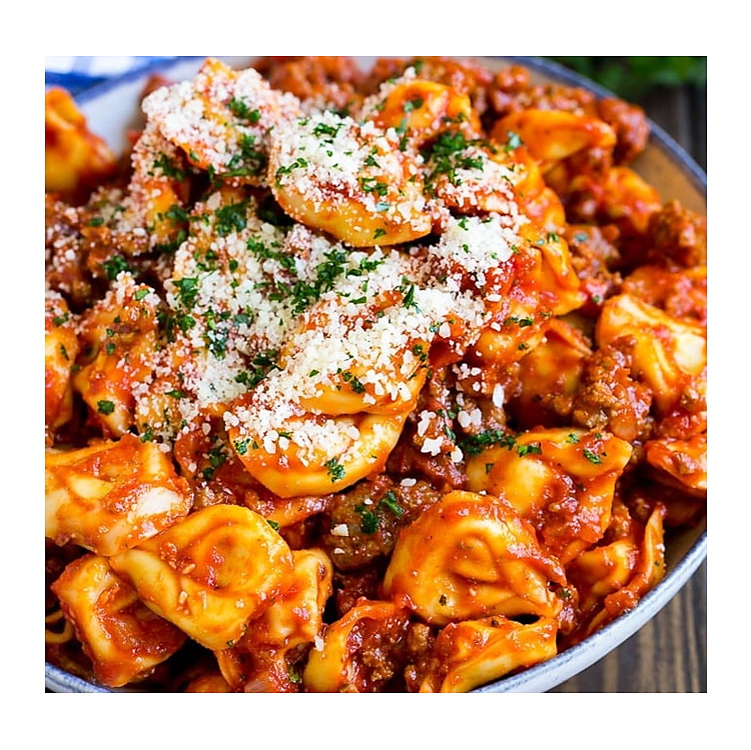
Frozen filled pastas—tortellini, ravioli, and similar “pillow” pastas—can look nearly identical once they’re in a bag or on a plate. That’s why clear labels and accurate ingredient statements matter so much. In this category, small recipe changes (e.g., swapping a cheese blend or coating) can introduce major allergens like soy or sesame without obvious visual cues. If a product is mislabeled or misbranded, people with allergies lose their first line of defense: trusted information on the package.
For households managing food allergies, treat filled pastas like any other composite food: read the full ingredient list every time, even on brands you buy often. Formulations, suppliers, and facilities can change. Check for the “Big 9” allergens (milk, eggs, fish, crustacean shellfish, tree nuts, peanuts, wheat, soy, and sesame), and be alert to cross-contact statements. The FDA notes that U.S. law requires labels to identify the food source of all major allergens, which is why careful label reading before cooking—and again before serving—remains essential. See FDA’s general guidance here: Food Allergies | FDA. U.S. Food and Drug Administration
Another tip for this category: don’t rely on product names alone.
Another tip for this category: don’t rely on product names alone. “Tortellini” vs. “ravioli” can imply different shapes and fillings, but the allergen risk comes from the actual ingredients and any breading or coatings used (e.g., “toasted” or par-fried pasta may introduce new ingredients). If you’re shopping quickly, snap a photo of the label to review at home, and keep packaging until mealtime in case someone develops symptoms and you need the exact ingredient list. When dining with guests who have allergies, serve from original packages so they can verify labels themselves.
Finally, make label-reading a household habit. Teach older kids and caregivers the basics (scan for the Big 9, look for “contains” statements, and watch for advisory phrases like “may contain” or “made on shared equipment”). If an ingredient list seems incomplete or inconsistent with the front of the pack, don’t serve it—contact the brand for clarification. Good documentation—photos of labels, lot codes, and receipts—also helps if you need to report a problem.
Final Thoughts
Allergen safety starts before dinner—on the label. By slowing down to read ingredients every time and using tools like RecallSentry, families can catch risks early and choose safer options.
See how RecallSentry supports household recall awareness and guidance: centerforrecallsafety/recallsentry
How this Article is Relevant
For more information related to this topic refer to this recent USDA recall: https://www.fsis.usda.gov/recalls-alerts/fsis-issues-public-health-alert-frozen-pork-and-beef-tortellini-product-due
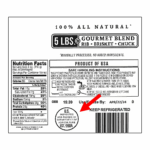
 RecallSentry™ App
 FDA Recalls
 CPSC Recalls
 NHTSA Recalls