 E coli.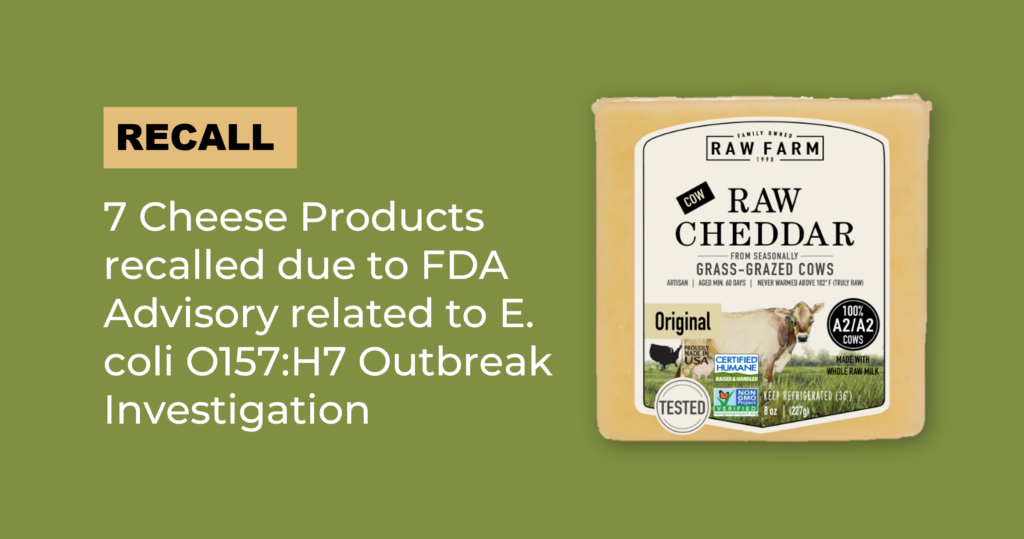
Raw dairy products have surged in popularity in recent years, driven by claims of better nutrition and taste. But with that popularity comes a risk that many consumers don’t fully understand: unpasteurized dairy can harbor dangerous bacteria, including E. coli O157:H7 — a strain capable of causing life-threatening illness, especially in young children and the elderly. Knowing what to look for and how to respond can make the difference between a mild inconvenience and a medical emergency.
The challenge with raw cheese is that it can look, smell, and taste completely normal even when contaminated.
E. coli O157:H7 is particularly dangerous because of its ability to cause hemolytic uremic syndrome (HUS), a serious condition that can lead to kidney failure, chronic kidney disease, and neurologic problems. As the FDA explains: (https://www.fda.gov/food/buy-store-serve-safe-food/raw-milk-misconceptions-and-danger-raw-milk-consumption), unpasteurized dairy carries significant risks from bacteria like E. coli, Salmonella, and Listeria — and children under 5 years old are at the highest risk for developing HUS, and outbreaks linked to raw dairy products have been documented repeatedly. Symptoms typically appear within a few days of consuming contaminated food — severe stomach cramps, bloody diarrhea, fever, nausea, and vomiting — but they can take up to nine days to develop, making it difficult for consumers to connect their illness to a specific product.
The challenge with raw cheese is that it can look, smell, and taste completely normal even when contaminated. Unlike spoiled food that gives obvious warning signs, E. coli contamination is invisible. This is why pasteurization exists — it’s the single most effective step for eliminating harmful bacteria in dairy products. If you choose to consume raw dairy, understand that you are accepting an elevated risk, particularly for vulnerable populations. Always check for recall notices before consuming any raw dairy product, store it properly at or below 38°F, and never serve raw dairy to young children, pregnant women, elderly family members, or anyone with a weakened immune system.
Final Thoughts
Staying proactive about food safety doesn’t mean avoiding every product you enjoy — it means staying informed. Tools like RecallSentry allow you to search for recalled food products by brand, name, or category in seconds. Whether you consume raw dairy or not, a quick check before your next meal can help protect your family from hidden foodborne risks.
Learn more about how RecallSentry helps protect families here:
https://centerforrecallsafety.com/recallsentry
How this Article is Relevant
For more information related to this topic, refer to this recent FDA investigation: Outbreak Investigation of E. coli O157:H7: Raw Cheddar Cheese (March 2026)
 FDA Recalls
 CPSC Recalls
 USDA Recalls
 NHTSA Recalls