 Food Contamination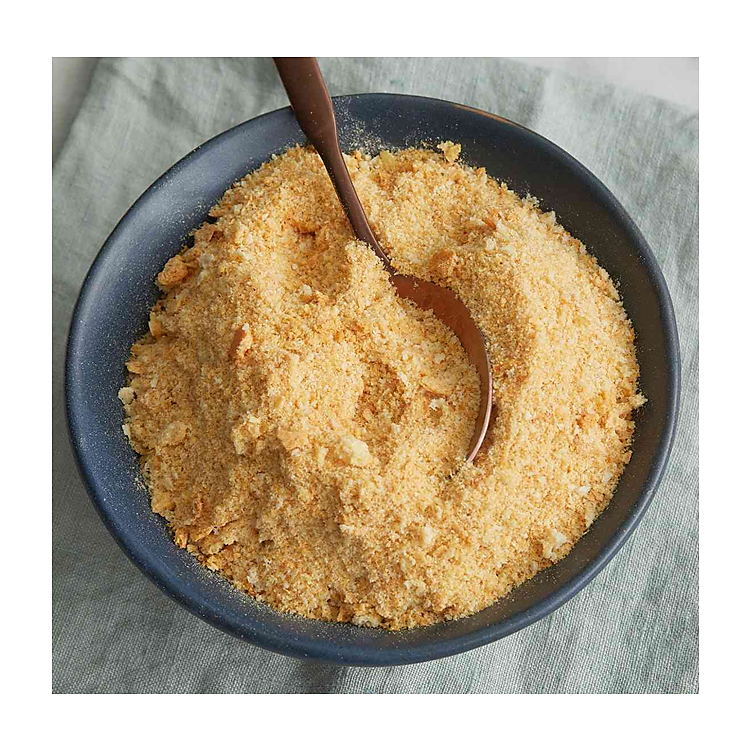
Ready-to-eat (RTE) salads like ham, chicken, or tuna salad are convenient, but they’re also complex foods with many ingredients and handling steps. A single upstream component—think spices, breading, or breadcrumbs—can introduce risk if it was exposed to contamination earlier in the supply chain. Because these products are eaten without reheating, any contamination that slips through isn’t cooked out at home.
One key challenge with Listeria monocytogenes is that cold temperatures don’t reliably stop it. Deli foods and prepared meats are kept refrigerated, yet Listeria can survive—and even slowly grow—under these conditions. That’s why food-safety guidance emphasizes cautious handling, strict sanitation, and, for higher-risk individuals (pregnant people, older adults, immunocompromised), extra care with deli items and prepared salads. For a clear, general explainer on why deli/prepared foods carry Listeria risk—and how to reduce it—see CDC’s overview: “How Listeria Spreads: Deli Foods and Prepared Meats.” https://www.cdc.gov/listeria/causes/deli-ready-to-eat-foods.html.
One key challenge with Listeria monocytogenes is that cold temperatures don’t reliably stop it.
For households, practical steps help: keep refrigerator temps at or below 40°F (4°C), store RTE salads on upper shelves away from raw meat juices, use clean utensils each time you scoop, and finish products by the “use by” date. If you’re serving someone in a higher-risk group, consider heating deli meats to 165°F (74°C) until steaming before mixing into a prepared dish, or choose alternatives with lower Listeria risk. When in doubt, don’t taste-test—discard it.
For retailers and foodservice teams, this category demands tight supplier controls and traceability for multi-ingredient components, plus rigorous cold-environment sanitation where Listeria can persist. Standardize lot tracking for add-ins (e.g., breadcrumbs, seasonings), validate cleaning between batches, and document hold-and-release decisions when an upstream ingredient is under review. The goal is layered prevention: supplier verification, hygienic design, and operational discipline.
Final Thoughts
Cold foods aren’t automatically risk-free—especially for higher-risk family members. By handling RTE salads carefully and staying alert to safety updates with RecallSentry, you can cut risk without giving up convenience.
See how RecallSentry helps households stay informed and take action: https://centerforrecallsafety.com/recallsentry.
How this Article is Relevant
For more information related to this topic, refer to this recent USDA recall: https://www.fsis.usda.gov/recalls-alerts/fsis-issues-public-health-alert-ready-eat-ham-salad-products-containing-fda
 FDA Recalls
 CPSC Recalls
 USDA Recalls
 NHTSA Recalls